Yes, I intentionally chose a potentially controversial title for this week’s post. This subject is something that’s been on my mind a lot lately, & there is probably no way to discuss it that won’t be controversial, so I figured why not just dive in whole-heartedly rather than tip toeing around the issue? So, with that out of the way, yes, I’m going to discuss the elephant in the room: the glorification of mental illness.
Now this post would be incomplete- & in fact quite tone deaf- if I didn’t acknowledge that we’ve come a long way when it comes to the subject of mental illness. We’re certainly handling it better than we were a couple hundred years ago when people were burned at the stake or cast out of society for even the smallest of social infractions – which may or may not have been related to mental illness. And even in the past decade we’ve made a lot of progress with the comfort level our society has in discussing mental illness. All of this is without a doubt a good thing.
The cold hard truth is that MOST people will experience some form of mental illness in their lifetime. It may not be debilitating, it may not last very long, it may not even require medical treatment. But due to break-ups, death, & other normal but extremely challenging life events, most people will experience an episode of depression or anxiety at some point in their life. Schizophrenia, bipolar, & other more long-term (& less situational) mental illnesses occur with far less frequency but are by no means uncommon. And it’s 100% a good thing for people to feel more comfortable discussing the subject of mental health. No one should be made to feel guilty, embarrassed, or “othered” for struggling with any kind of mental illness.
(Side note- with the lack of exercise, social isolation, & poor diet that so many Americans experience, it’s really no wonder our mental health is in the toilet.)
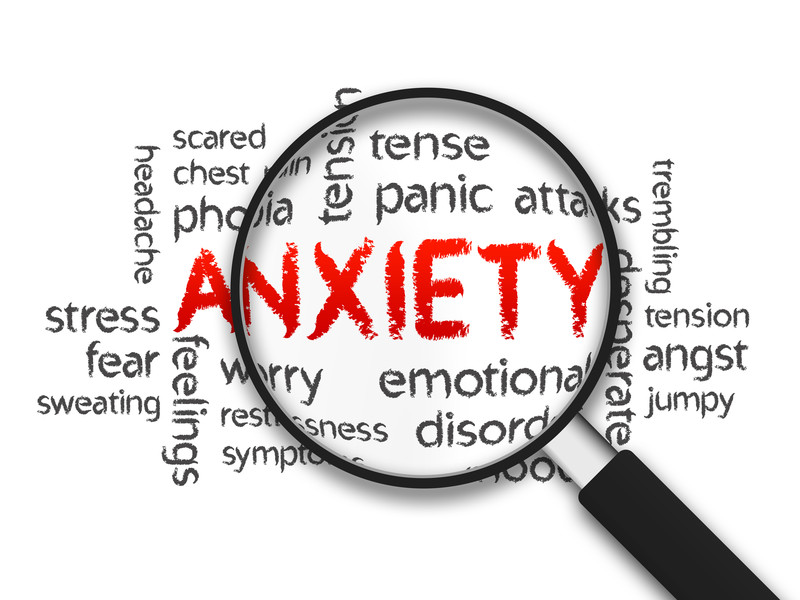
HOWEVER- I know, I know, you felt a but coming & here it is- what worries me is that instead of ACTUALLY encouraging people to seek help & work on their mental health, we seem to have gotten stuck in a cycle of glorifying mental illness. Or we act like the only help can be obtained from doctors & therapists. As I’ve discussed many times on this blog over the years, I am a big supporter of therapy & experience significant relief from my own struggles with anxiety & depression with the combination of therapy & Prozac. But that still isn’t the full picture. The truth is that therapy & Prozac are only two of the tools in my toolkit against depression & anxiety. There are a lot of others in there- like exercise (which largely consists of walks around the neighborhood), eating a relatively healthy diet, outdoor time, music, reading, writing, connecting with friends & family, etc. And for some people, these other things may be all that is needed.

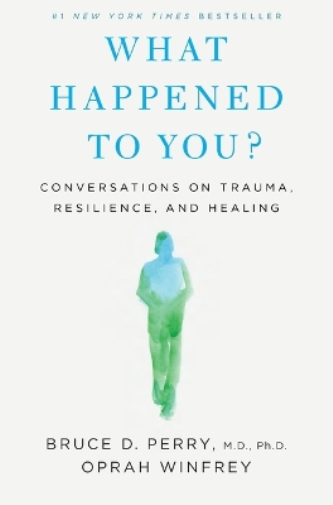
The truth- at least what I’ve found to be true in my life– is that the best thing you can do for your mental health is learn to understand your own brain. This is something that therapy can teach you, of course, but I fully understand that not everyone can afford therapy or can find a therapist they really connect with. As much as I love mine, I only see her a few times a year because it’s expensive & frankly I’ve learned a lot of techniques I can use on my own anyway. The point is we need to learn to understand two basic things about ourselves: HOW do we think? And WHY do we think the way we do? For example: does your mind immediately catastrophize every situation? And if so, why? What kind of trauma in your past taught your brain that this was the logical way to think? It’s only when we are able to observe our own thought patterns & discover the reasons behind them (we may never know ALL the reasons of course), that we can begin to have power over our own mind. Once you’re able to answer these two questions, you will find that you don’t have to be a slave to your own mind. You CAN have power over it. Two great resources for this process that I highly recommend are Dr. Nicole LePera & her the.holistic.psychologist account on Instagram & the book What Happened to You? by Dr. Bruce Perry & Oprah.
The other difficult truth that we often don’t like to confront is that sometimes beating mental illness means doing things that are hard or make us uncomfortable. Just about every single person whose story I’ve read or listened to about overcoming depression/anxiety mentions exercise & spending time outdoors as major tools to fighting their demons. Do you think these people always WANT to exercise or get outside? Of course not! Our bodies, which include our minds, love to be lazy. It’s easy to be lazy! And while I absolutely believe we all need rest/recovery days, it worries me that I see so many posts & memes these days encouraging people who are depressed or anxious NOT to get out & exercise & do the hard things that will ultimately make them feel better. It’s almost like it’s become “cool” to be depressed. TRUST ME, I am guilty of this at times. I HAVE SHARED THOSE POSTS. I know that at times I have been part of the problem. While there is absolutely value in knowing that we’re not along in our struggles, I also believe that sometimes we need someone to give us a swift kick in the ass & help us get out of our funk. Sometimes we need to give ourselves that kick! At the end of the day, no one else can do the work for you. You have to be your own savior. Yes, that is daunting but it is also incredibly empowering.

If you want to listen to an excellent discussion on this subject, look no further than this fantastic podcast with my favorite YouTuber Finn McKinty & Caleb Shomo, frontman & musical mastermind of the band Beartooth (https://www.youtube.com/watch?v=IQgfBBmqsz0). In last week’s post, I discussed Beartooth’s latest album & how it’s all about Caleb finally winning his lifelong battle with depression. That doesn’t mean that depression is 100% in his past & that he’ll never struggle with it again- of course not. For many of us, it’s a DAILY battle. But he has finally found ways to make it less of a battle. If he can do it, I think any of us can. (And yes, exercise has been a HUGE part of his success over the past year or two.) As Finn & Caleb discuss, sometimes it’s easier to stay in a dark place because even if it’s miserable, it’s comfortable- it’s the devil we know. But that’s no way to live. Anyway, Finn & Caleb do an excellent job of discussing the issues with glorifying mental illness in this podcast & I strongly encourage you to give it a listen. They’re probably way more profound that I have been.

Perhaps these lyrics from Riptide (one of my favorites on the album- https://www.youtube.com/watch?v=Zv3t0Fvgvik) sum it up best:
I’m done explaining my pain, this is way too much
I wanna feel euphoria, give me the rush
‘Cause it’s the last time that I romanticize
The riptide that’s trying to drown me
Full of excuses for way too long
Don’t wanna sing another hopeless song
‘Cause it’s the last time that I romanticize
The riptide, it’s a riptide
Don’t wanna die, I guess I gotta let it go
Don’t wanna die, I guess I gotta let it go
Again, this post is in no way intended to make anyone feel guilty or stupid for struggling with any mental illness. None of us gets to choose the brain we’re born with & the thought patterns we are prone to. But the vast majority of us CAN have far more control over our own brains than we tend to think. We just have to learn to understand ourselves. Once we do that, anything & everything else will be possible. It may still be a daily battle- & we may not win it every single day- but it CAN get better.
Side note- one of the best side effects of learning to understand ourselves is that it naturally helps us to better understand others- which leads to us being more compassionate & understanding & thus better able to serve others. But that’s a post for another day.
P.S. Just because you find ways to better manage your anxiety or depression, does NOT mean you have to become one of those annoying toxic positivity people. Absolutely not. Toxic positivity is actually mentally just as unhealthy as anxiety or depression because it doesn’t allow you to experience the full range of emotions that we are SUPPOSED to experience. But again that’s a post for another day.
Now- do I really want to go exercise right now? Absolutely not. But am I going to do it anyway? You better believe it!
 athicketofmusings